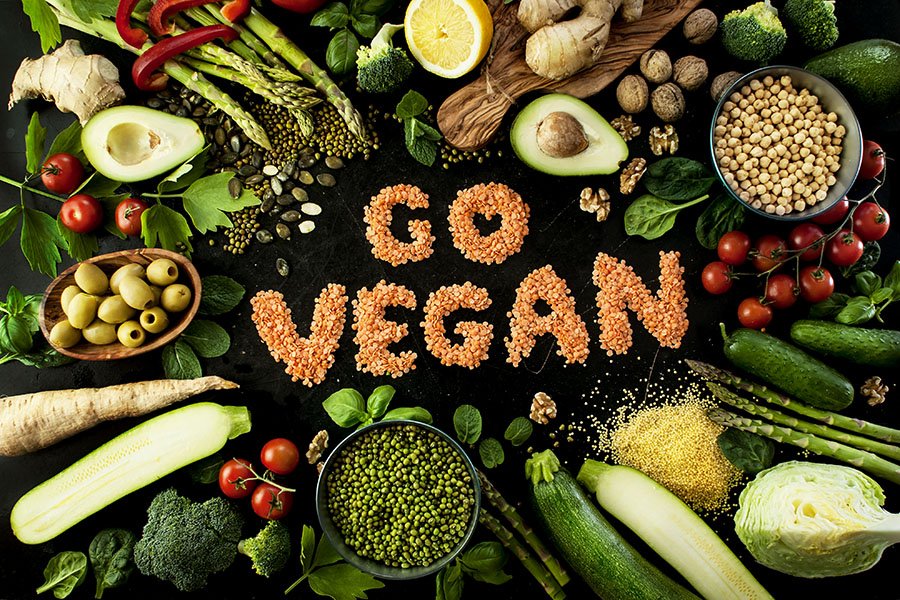
Vegan food consists exclusively of plant-based ingredients, excluding all animal products and byproducts like meat, dairy, eggs, and honey. This diet is based on fruits, vegetables, grains, legumes, nuts, and seeds, and can be highly nutritious with careful planning to ensure adequate intake of nutrients like protein, iron, and vitamin B12.
What vegan food is
- Plant-based ingredients: Fruits, vegetables, grains, legumes, nuts, and seeds form the foundation of vegan food.
- Exclusion of animal products: This includes all meat, fish, poultry, dairy products, and eggs.
- Exclusion of animal byproducts: Vegans also avoid ingredients derived from animals, such as gelatin, whey, casein, and honey.
Examples of vegan foods
- Proteins: Tofu, tempeh, and edamame.
- Dairy alternatives: Plant-based milks (soy, almond, oat), vegan cheeses, and yogurts.
- Egg substitutes: Baking powder, bananas, flaxseeds, or aquafaba can be used in baking.
- Meat alternatives: Vegan sausages, burgers, and other mock meats are widely available.
- Fats: Vegetable oils like olive, canola, and avocado oil.
Nutritional considerations
- A well-planned vegan diet can be nutritious, but it’s important to ensure adequate intake of certain nutrients.
- Key nutrients to monitor: Protein, iron, vitamin B12, and zinc.
- Sources for nutrients: Fortified cereals and yeast extract can be good sources of B12 and iron.
Leave a Reply